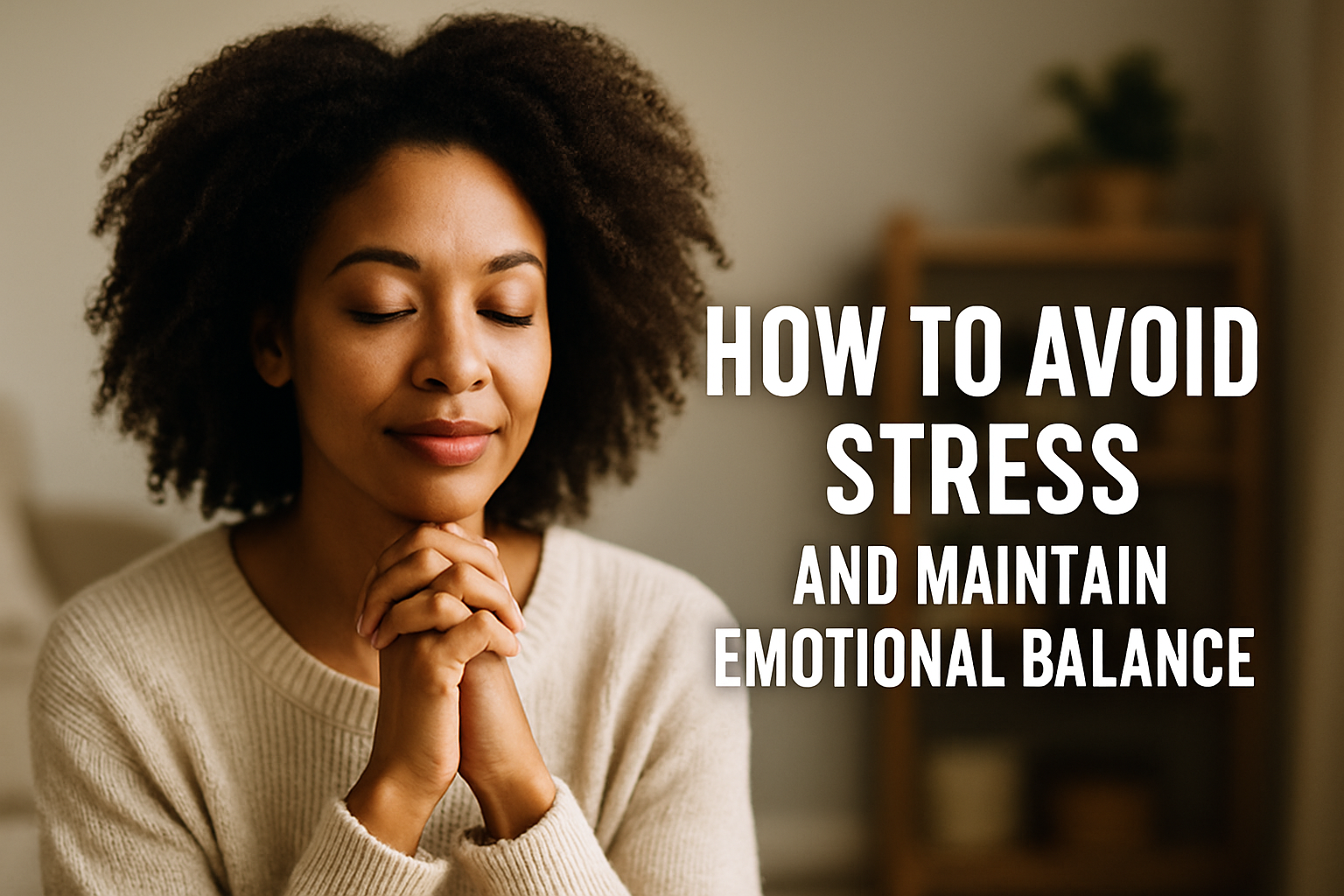
Stress is an unavoidable part of modern life. Work deadlines, personal responsibilities, social pressures, and constant connectivity can leave you feeling overwhelmed. While some stress is normal, chronic stress can damage your health, productivity, and relationships. That’s why it’s essential to learn practical ways to manage stress and maintain emotional balance—skills that help you thrive, no matter what life throws your way.
In this article, you’ll discover effective techniques for preventing and coping with stress, as well as habits that nurture lasting emotional well-being.
1. Recognize Your Stress Triggers
The first step to managing stress is self-awareness. Notice what situations, people, or habits typically make you feel tense or anxious.
Tips:
- Keep a stress journal for a week to identify patterns.
- Pay attention to physical signals (headaches, fatigue, muscle tension).
- Reflect on emotional cues (irritability, worry, frustration).
2. Practice Healthy Time Management
Feeling out of control often leads to stress. Organize your tasks, set priorities, and create realistic schedules to avoid unnecessary pressure.
Tips:
- Use to-do lists and calendars.
- Break big projects into smaller steps.
- Learn to say “no” when you’re overloaded.
3. Establish Routines and Boundaries
Routines bring predictability, which helps reduce anxiety. Boundaries separate work from rest, preventing burnout.
Tips:
- Set fixed start and end times for work or study.
- Schedule breaks and downtime.
- Unplug from technology during meals and before bed.
4. Use Relaxation Techniques
Simple relaxation methods can quickly lower your stress levels and restore calm.
Techniques:
- Deep breathing exercises (inhale slowly, exhale slowly)
- Mindfulness meditation (focus on the present moment)
- Gentle stretching or yoga
5. Nurture Healthy Habits
Your lifestyle plays a major role in stress management.
Tips:
- Get regular exercise (even a daily walk helps)
- Eat a balanced diet with plenty of fruits and vegetables
- Prioritize sleep—aim for 7–9 hours per night
- Limit caffeine and alcohol
6. Stay Connected
Positive relationships offer support and perspective when you’re stressed.
Tips:
- Reach out to friends and family regularly
- Share your feelings with someone you trust
- Join groups or communities that match your interests
7. Practice Positive Self-Talk
Your thoughts influence your emotions. Replace negative, self-critical thoughts with encouraging and realistic ones.
Tips:
- Use affirmations (“I can handle this,” “I’m doing my best”)
- Challenge perfectionism—focus on progress, not perfection
- Celebrate small wins
8. Seek Professional Help When Needed
If stress feels unmanageable or leads to persistent anxiety or depression, don’t hesitate to seek support from a counselor, therapist, or doctor.
Embracing Balance Every Day
Managing stress isn’t about eliminating it entirely—it’s about building habits and skills that help you recover, adapt, and grow. By applying these strategies, you’ll cultivate greater emotional balance, resilience, and well-being.
Remember: Your mental health is just as important as your physical health. Make caring for it a daily priority!