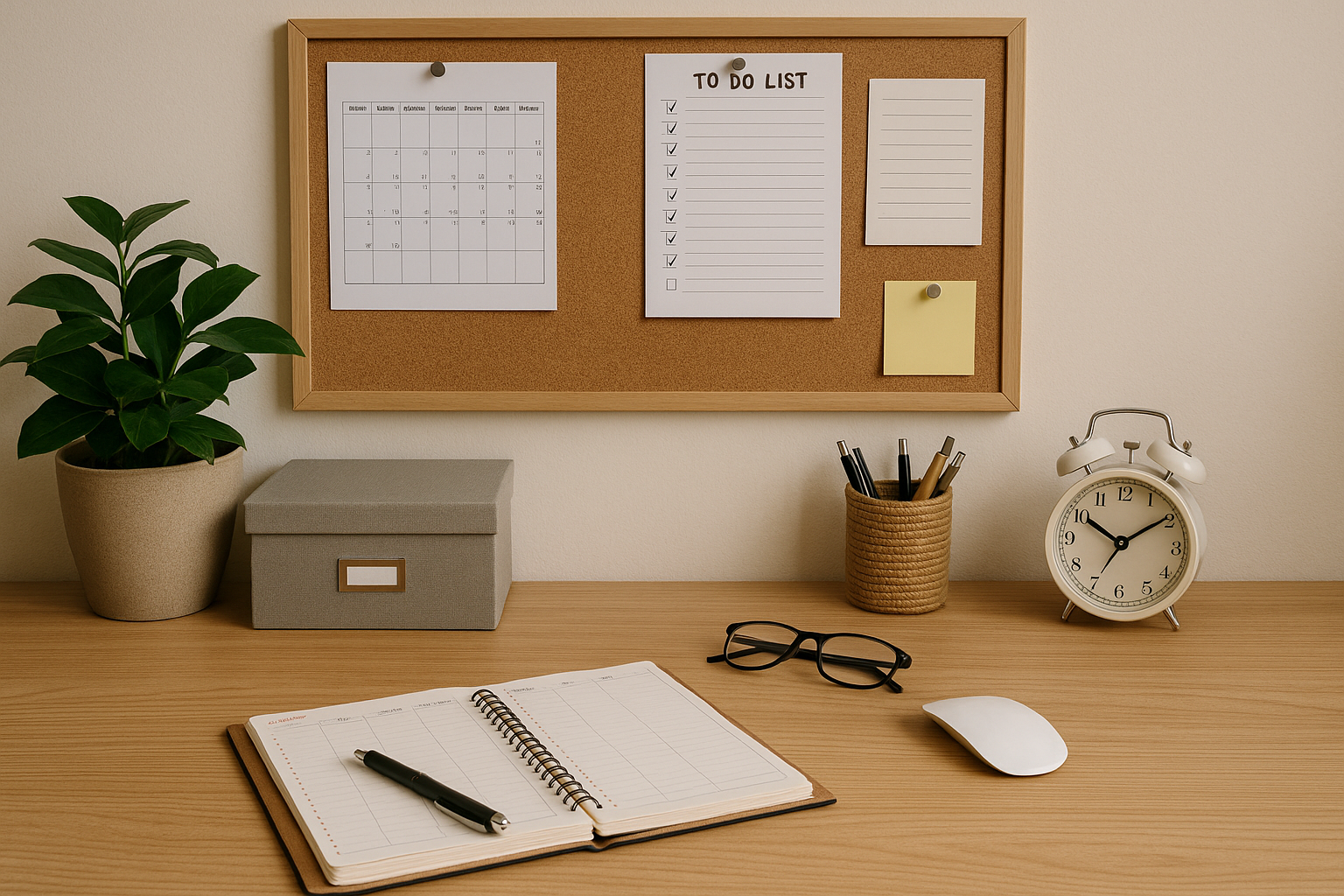
In today’s fast-paced world, personal organization is more than just keeping your room tidy or sorting your files. It’s about designing systems and routines that help you manage your time, energy, and resources efficiently, so you can focus on what truly matters. Whether you struggle with keeping track of tasks, managing your schedule, or decluttering your environment, getting organized is an essential skill for personal and professional growth.
This article will explore proven techniques to help you keep everything in order, from your workspace to your digital life and your daily routine. Implementing even a few of these strategies can bring more clarity, reduce stress, and make your days much more productive and satisfying.
Why Is Personal Organization Important?
When you’re organized, you save time searching for things, reduce mental clutter, and create more space for creativity and relaxation. It allows you to set clear priorities, meet deadlines, and achieve goals with less effort and frustration.
Key benefits of personal organization:
- Enhanced productivity and focus
- Lower stress levels
- Improved time management
- Greater sense of control and confidence
- More time for activities you love
Techniques to Keep Everything in Order
1. Use a Planner or Calendar
Writing down tasks and appointments is a game-changer for staying organized. Digital tools like Google Calendar, Todoist, or Notion make it easy to set reminders and visualize your schedule. Prefer paper? Choose a daily or weekly planner that you enjoy using.
Tip: Review your planner every morning and night to keep on top of commitments.
2. Break Down Big Tasks
Large projects can feel overwhelming. Divide them into smaller, manageable steps and assign deadlines to each part. This approach helps you make consistent progress and prevents last-minute panic.
3. Prioritize Ruthlessly
Every day, identify your top 3 most important tasks. Focus on completing these first before moving to less critical activities. This ensures your energy is invested where it counts most.
4. Declutter Your Environment
Clutter can be distracting and stressful. Regularly clear your workspace, home, and digital devices of unnecessary items. Create designated places for essentials—files, keys, chargers, and documents.
Tip: Follow the “one in, one out” rule: when you bring something new in, remove something old.
5. Establish Routines
Consistent routines make organization automatic. Have set times for waking up, working, exercising, and unwinding. Routines reduce decision fatigue and free up mental energy for important decisions.
6. Use Lists and Checklists
Checklists are powerful tools for tracking daily tasks, packing for a trip, or preparing for meetings. Crossing off completed items gives a sense of accomplishment and keeps you motivated.
7. Go Digital with Notes and Files
Keep notes, documents, and important files organized in digital folders. Tools like Evernote, Google Drive, and OneNote allow you to search and access information quickly from anywhere.
Tip: Set aside time each week to clean up and back up your files.
8. Set Reminders and Alarms
Use your phone or computer to set reminders for appointments, deadlines, or recurring tasks. This helps prevent forgetfulness and keeps you accountable.
9. Limit Multitasking
Focusing on one thing at a time leads to better results. Multitasking often creates confusion and reduces efficiency. Try time-blocking—dedicate specific periods to specific activities.
10. Reflect and Adjust Regularly
At the end of each week, review what went well and what could be improved. Adjust your systems and routines as needed to keep things running smoothly.
Personal Organization in Different Areas of Life
- Home: Sort items into categories, use storage bins, and label boxes.
- Work: Organize your desk, keep your email inbox tidy, and have a daily to-do list.
- Digital: Regularly clean up your desktop, unsubscribe from unwanted emails, and organize photos.
- Finances: Track expenses, set up automatic payments, and review your budget monthly.
How to Stick to Organization Habits
Building new habits takes time. Here are some tips to help you stay on track:
- Start small—implement one or two techniques at a time.
- Set reminders and accountability systems.
- Celebrate small wins to build momentum.
- Remind yourself of the benefits—less stress, more time, better results.
Turning Organization Into a Lifestyle
Personal organization isn’t about perfection—it’s about creating systems that work for you. When you make organizing a part of your lifestyle, you’ll find that everyday challenges become easier to handle. You’ll have more freedom, energy, and clarity to pursue your goals and enjoy life to the fullest.
Take the first step today by choosing one technique from this list to implement. As you build your own systems, you’ll discover the satisfaction and peace of mind that comes from having everything in order.